

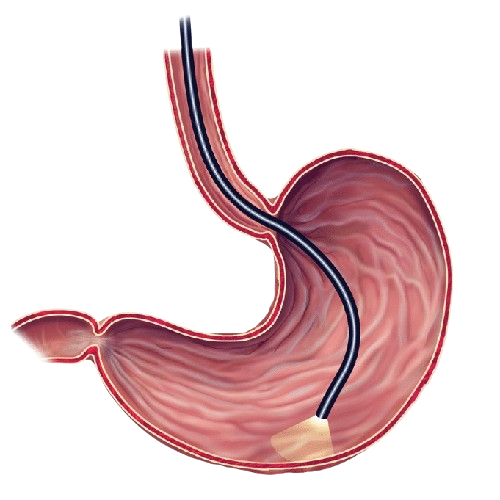
Endoscopy Care
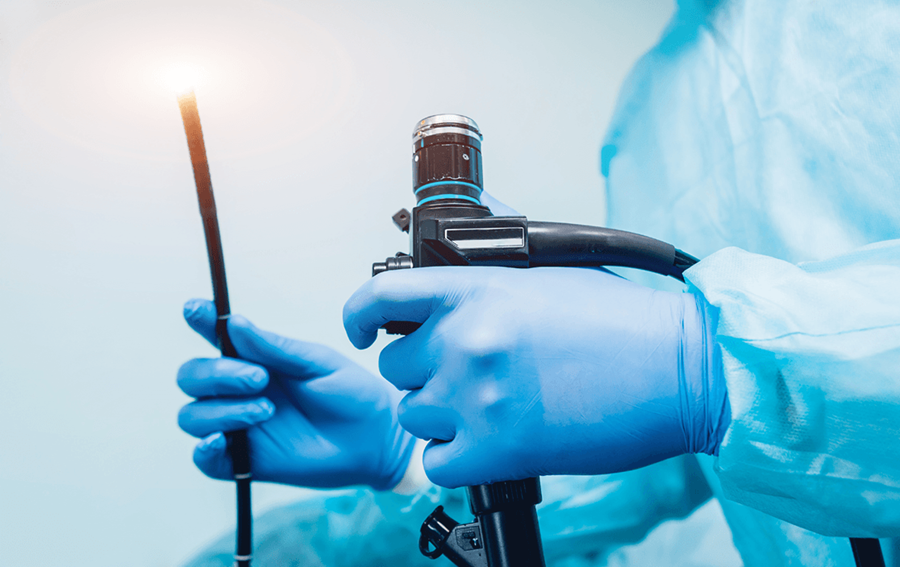
Endoscopy is a minimally invasive diagnostic and therapeutic procedure used to examine the digestive tract and other internal organs. It involves the use of a flexible tube with a light and camera (endoscope) that provides real-time, high-definition images of the internal structures, allowing doctors to detect abnormalities with precision.
Quality Medicines, Compassionate Care
Our team of highly experienced specialists in Endoscopy are dedicated to providing safe, accurate, and advanced diagnostic and therapeutic procedures. With state-of-the-art equipment and a patient-focused approach, we ensure early detection, precise evaluation, and effective treatment of gastrointestinal and related conditions. Our expertise in both diagnostic and therapeutic endoscopy helps patients receive timely care, faster recovery, and improved outcomes.
We Specialize in the Treatment of:
- Diagnostic Upper GI Endoscopy (Esophagus, Stomach, Duodenum)
- Colonoscopy for Large Intestine & Rectal Disorders
- ERCP (Endoscopic Retrograde Cholangiopancreatography) for Bile Duct & Pancreatic Diseases
- Endoscopic Polyp & Stone Removal
- Endoscopic Biopsy for Accurate Diagnosis
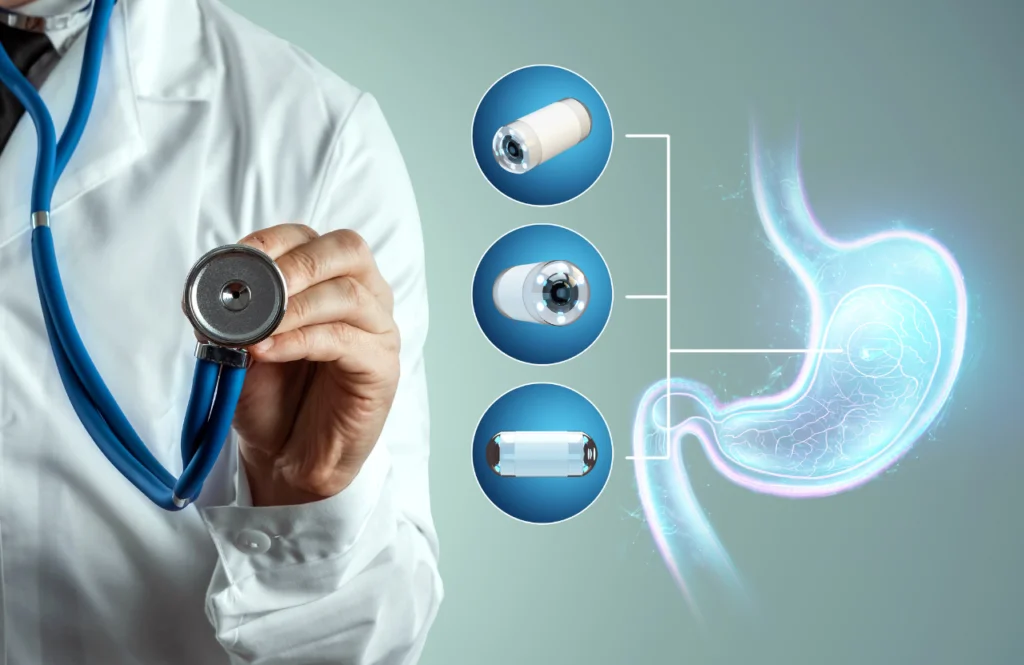
- Capsule Endoscopy for Small Intestine Evaluation
- Endoscopic Management of Gastrointestinal Bleeding
- Therapeutic Endoscopy for Stricture Dilation & Stent Placement
1. What is an endoscopy and why is it done?
Endoscopy is a minimally invasive procedure that uses a flexible tube with a camera to examine internal organs like the esophagus, stomach, intestines, or bile ducts. It helps in diagnosing and sometimes treating various conditions.
2. Is endoscopy painful?
Most patients experience little to no pain. Sedation or local anesthesia is usually given to ensure comfort during the procedure.
3. How long does an endoscopy take?
Typically, an endoscopy takes about 15–45 minutes, depending on whether it is diagnostic or therapeutic.
4. What should I do to prepare for an endoscopy?
You may need to fast for several hours before the procedure, avoid certain medications, and follow your doctor’s specific instructions.
5. Are there any risks associated with endoscopy?
Endoscopy is generally very safe. Rare risks include bleeding, infection, or minor discomfort, which are usually manageable with proper medical care.