

Advanced Diabetology Department for Better Health
Our Diabetology Department provides specialized care for patients with diabetes and related metabolic disorders. We focus on accurate diagnosis, effective treatment, and long-term management of Type 1, Type 2, and gestational diabetes. Our services also address complications affecting the eyes, kidneys, heart, and nerves, ensuring complete diabetic care under one roof. With advanced monitoring, personalized diet plans, lifestyle counselling, and medication management, we help patients achieve better sugar control, prevent complications, and lead healthier, more active lives.

Comprehensive Diabetes Care at Pudugai Star Hospital
At Pudugai Star Hospital, our Diabetology Department is committed to providing comprehensive care for patients with diabetes and related endocrine disorders. With state-of-the-art diagnostic facilities and a team of skilled diabetologists, we focus on early detection, effective treatment, and long-term management of diabetes.
We specialize in managing Type 1 diabetes, Type 2 diabetes, gestational diabetes, obesity, thyroid disorders, and other metabolic conditions. Our care includes blood sugar monitoring, insulin therapy, lifestyle modification guidance, diet counselling, and advanced treatment plans tailored to each patient’s needs.
Our Services
- Comprehensive Diabetes Screening & Diagnosis
- Type 1, Type 2 & Gestational Diabetes Management
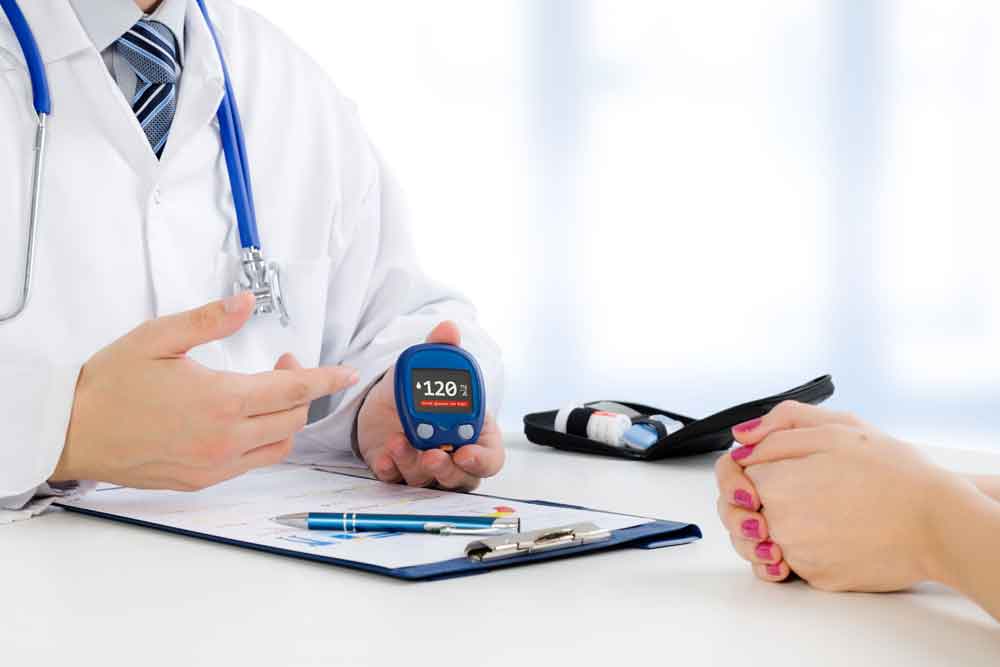
- Blood Sugar Monitoring & Insulin Therapy
- Oral Hypoglycemic & Advanced Medication Management
- Continuous Glucose Monitoring (CGM) & HbA1c Testing
- Obesity, Metabolic Syndrome & Pre-diabetes Care
- Nutrition, Diet Planning & Lifestyle Modification Counselling
- Insulin Pump Therapy & Advanced Diabetes Technology Support
- Diabetes in Children & Adolescent Care
- Endocrine Disorder Management (Thyroid, PCOS & Hormonal Imbalances)
- Patient Support Groups & Long-term Follow-up Programs
1. What conditions does the Diabetology Department treat?
Our Diabetology Department specializes in the diagnosis and management of Type 1 & Type 2 diabetes, gestational diabetes, prediabetes, obesity, thyroid disorders, and other metabolic conditions.
2. How do I know if I should see a diabetologist?
If you experience symptoms like frequent urination, excessive thirst, unexplained weight loss or gain, fatigue, slow-healing wounds, or vision problems, it is recommended to consult a diabetologist for proper evaluation.
3. Do you provide diet and lifestyle counselling for diabetes management?
Yes. Along with medical treatment, our specialists provide personalized diet plans, exercise guidance, and lifestyle counselling to help patients manage blood sugar effectively and prevent complications.
4. Can diabetes be managed without insulin?
Management depends on the type and stage of diabetes. Type 2 diabetes can often be controlled with oral medications, diet, and lifestyle changes, while Type 1 diabetes usually requires insulin. Our diabetologists create treatment plans best suited for each patient.
5. How often should a person with diabetes get a check-up?
We recommend regular follow-ups every 3 to 6 months, or more frequently if blood sugar is uncontrolled. Routine monitoring helps prevent long-term complications like kidney disease, eye problems, nerve damage, and heart disease.